Episode 01
Introduction to Sustaino-1
Who we are, what Sustaino-1 is, and why a 1U TubeSat built in Johannesburg is heading to Sun-Synchronous Orbit.
Sustaino-1 is our flagship 1U TubeSat — engineered in Johannesburg, targeting a rideshare launch to Sun-Synchronous Orbit with Interorbital Systems. EAK-Orbitals builds CubeSats and TubeSats for Earth observation and scientific research.
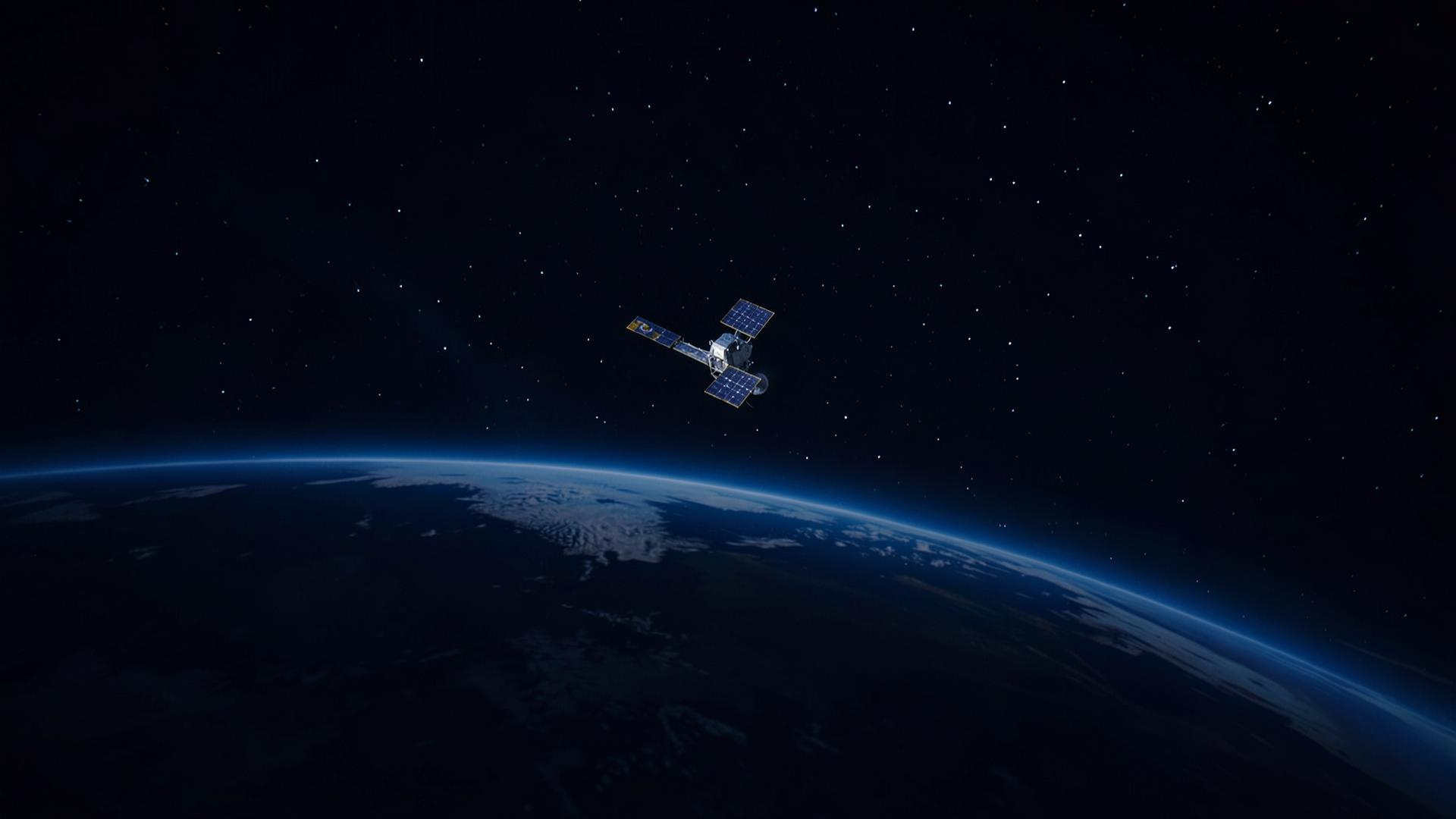
Show and predict infrastructure loss from orbit. When natural disasters (floods, earthquakes) or conflicts damage ground-based networks, terrestrial infrastructure often fails — Sustaino-1 provides a crucial lifeline and assessment tool from LEO.
Send verifiable telemetry & imagery from LEO via LoRa 434 MHz to our Johannesburg ground station.
Open the mission log, CAD and code so the next SA student sees the ladder to orbit.
| Class | 1U TubeSat (cylindrical bus) |
| Size | Ø 88 mm × 127 mm |
| Mass | ≈ 750 g integrated |
| Mission Life | 12+ months on-orbit |
| Orbit | Sun-Synchronous, ≈ 500 km |
| Launch Provider | Interorbital Systems |
| Launch Vehicle | Interorbital Systems NEPTUNE_100 |
| Ground Station | EAK-GS1, Johannesburg (LoRa + UHF) |
| Payload | Optical imager + infrared spectral sensing (patented) |
| Communications | LoRa 434 MHz downlink, UHF beacon |
| Power System | Body-mounted GaAs solar, Li-Po buffer |
| Flight Computer | ARM Cortex-M4 |
| Mission Status | Engineering Model — under construction |
High-detail rotating TubeSat model · Ø88 mm cylindrical bus, 12 body-mounted GaAs solar facets, avionics ring and deployed antenna.
Live Gantt-style tracker updated as we hit each milestone.
Our home-built ground segment tracks Sustaino-1 on every South African overpass.
Doppler-corrected LoRa 434 MHz downlink, decoded on a Raspberry Pi–based mission control stack, archived to a local SQLite mission log and mirrored off-site.
Yagi 7-element UHF antenna on a motorised az/el rotator, low-noise amplifier, SDR receiver, and a redundant LoRa transceiver for handshake.
Full daily overpasses across the SADC region; extended coverage window planned via partner amateur radio ground stations.
A new lecture series where our engineers break down the real space technology behind Sustaino-1 — in plain language, for students and the curious.
Who we are, what Sustaino-1 is, and why a 1U TubeSat built in Johannesburg is heading to Sun-Synchronous Orbit.
Short-wave infrared explained: why minerals, moisture and gas leaks glow in bands the human eye can never see.
How a satellite decides what is worth downlinking — edge inference on a microcontroller, and why bandwidth is the real constraint.
LEO, SSO, MEO and GEO — what an orbit actually is, and why Sustaino-1 flies a Sun-Synchronous path.
LoRa, 434 MHz, Doppler shift and how a home-built ground station in Johannesburg hears a spacecraft.
GaAs solar cells, duty cycling, battery health and surviving eclipse every 90 minutes.
From CAD to vibration testing — the full engineering path we walked as teenagers.
Vibration, shock and vacuum — what a spacecraft endures on the way up, and how we test for it on the ground.
Turning raw telemetry and pixels into real answers: mineral signatures, gas plumes and illegal mining detection.
Episodes release on TikTok and Instagram @eak_orbitals — free, forever, for anyone who wants to learn.